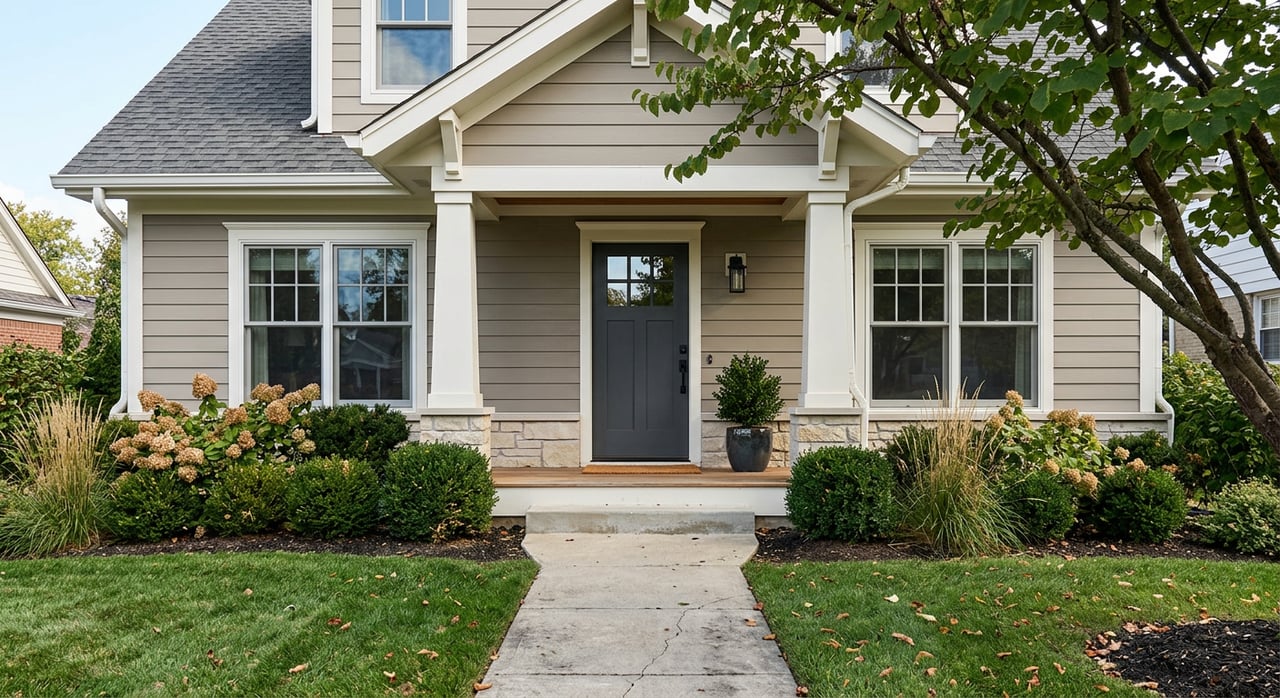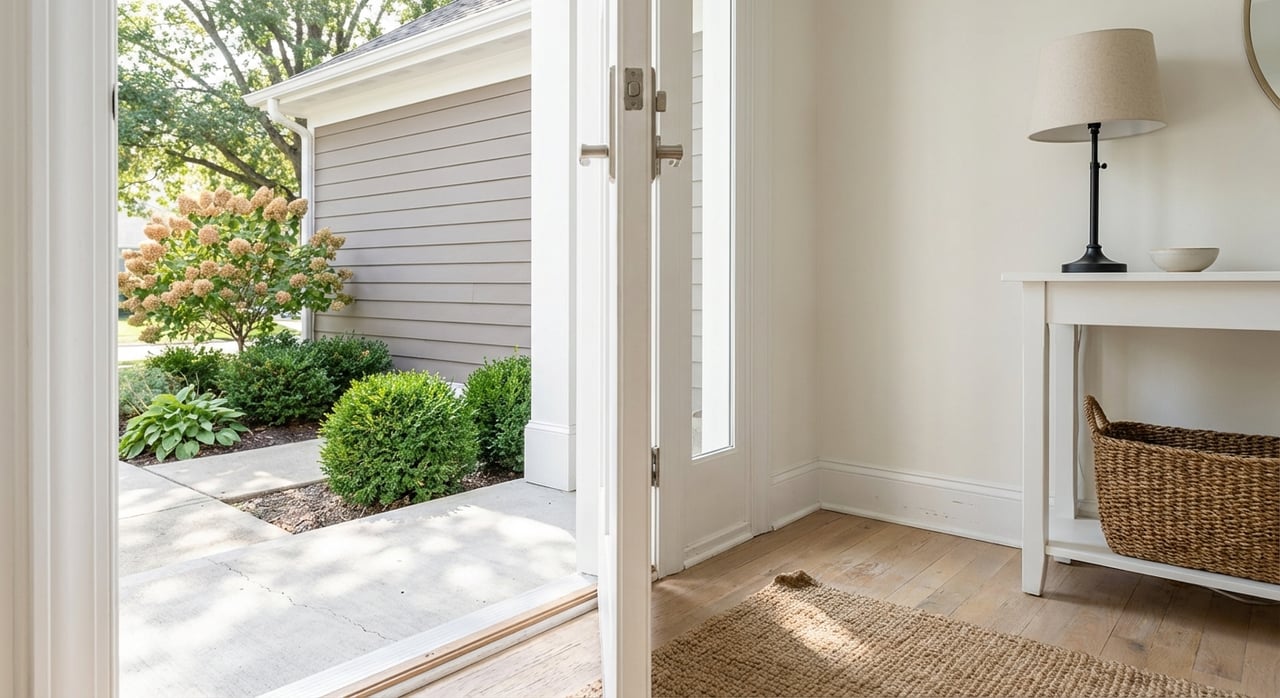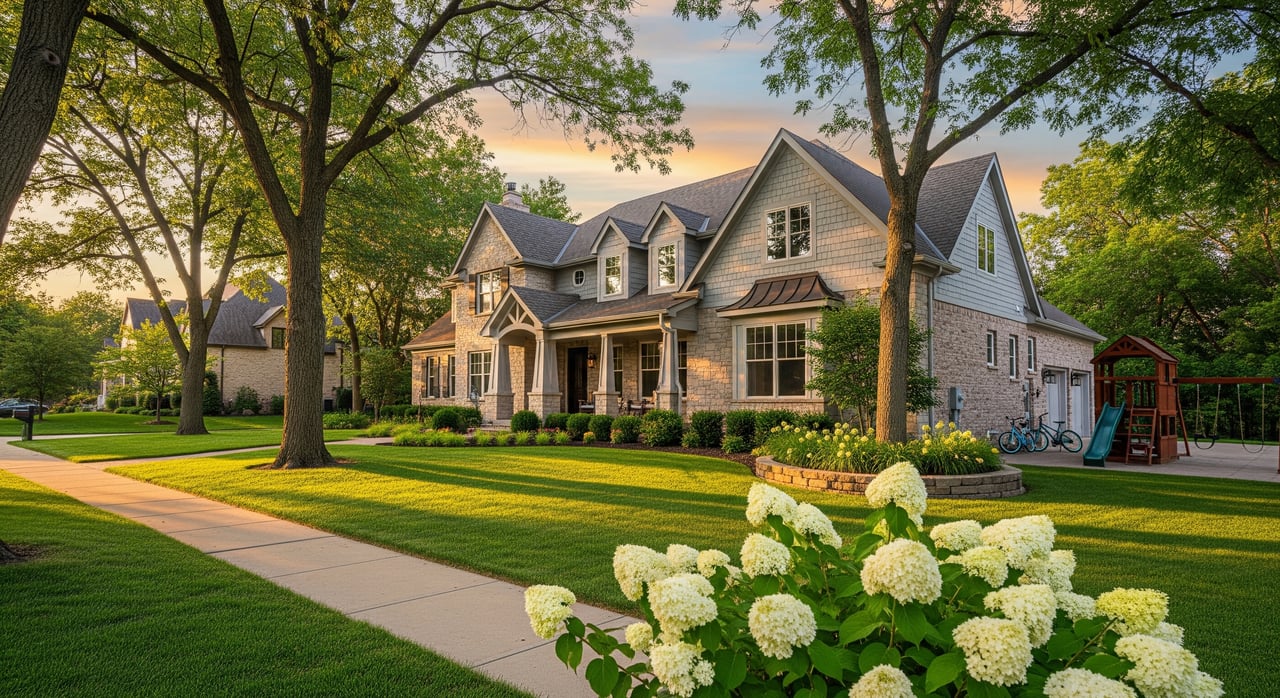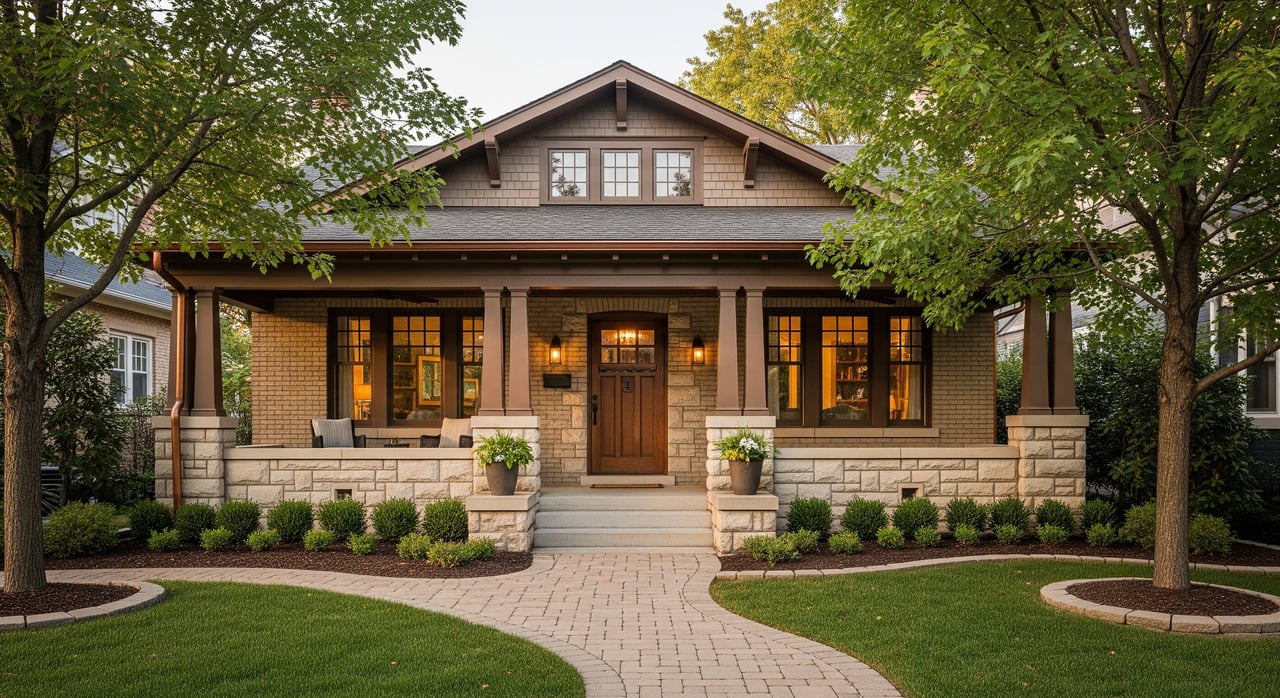
Love the idea of a big front porch, warm woodwork, and easy main-floor living? If you are eyeing a bungalow in Westwood, you are in good company. These homes blend charm with convenience and sit close to everything the inner-ring Johnson County suburbs offer. In this guide, you will learn how to spot true bungalow features, what layouts to expect, and which non-structural upgrades make the most impact on comfort and value. Let’s dive in.
What defines a bungalow
Bungalows in the U.S. most often date from the early 1900s to the 1930s. The style prizes simple forms, handcrafted details, and a strong indoor-outdoor connection. If you love timeless character and efficient use of space, you will likely feel right at home.
- Low-pitched roofs with wide eaves and visible rafter tails or brackets.
- A deep, covered front porch that reads as an outdoor room.
- Natural exterior materials like wood siding and brick or stone piers.
- Compact floor plans that keep living, dining, and kitchen close together.
- Original built-ins, hardwood floors, and wood trim that add warmth.
If you plan any updates, the National Park Service’s rehabilitation guidance is a helpful reference for what matters most to preserve. Review the NPS overview of preservation briefs and standards to understand character-defining elements and best practices for repairs and upgrades. You can explore the NPS guidance in the Preservation Briefs library and Standards for Rehabilitation for a deeper dive.
Westwood curb appeal and lots
Westwood’s mature streets showcase many bungalow hallmarks. Expect friendly front porches, short front setbacks, and modest, rectangular lots. The result is a cozy streetscape with a neighborly feel.
- Porches: The porch is the star of the facade and a major curb appeal point. Some may have been enclosed later. Note any enclosure when comparing layout and light.
- Rooflines and attics: Low-pitched gables are common. Some homes use dormers to create half-story rooms; others keep attics for storage.
- Siding and foundations: You will see wood clapboard or shingles, with some later vinyl replacements. Many Midwestern homes include full basements; others have crawlspaces.
- Lot patterns: Narrow side yards and shorter driveways are typical. Lot orientation affects how much sun your porch or backyard receives, which matters for gardens, additions, or potential solar.
When you evaluate a specific property, confirm parcel details and zoning with Johnson County and the City of Westwood. Local planning and building teams can also confirm whether any porch changes or exterior work required permits.
Typical layouts and finish details
Bungalows are compact without feeling cramped. Thoughtful built-ins and short circulation paths make daily life efficient.
- One-story plans: Living room, dining room, kitchen, 2 to 3 bedrooms, and a single bath on the main floor.
- One-and-a-half story plans: Main living on the first floor with additional sleeping space or storage in a finished attic.
- Basements: Many homes include basements for storage, mechanicals, or bonus space. Some are finished; many are not.
Inside, you will often find original hardwoods, plaster walls, and wood trim. Dining rooms may feature built-in hutches or bookcases. Kitchens and baths tend to be smaller than today’s new-builds, which is why many buyers plan a future refresh. If you prefer open concept living, note whether prior owners removed walls or if you might take that on later.
Non-structural upgrades that pay off
Non-structural work includes interior remodeling, systems updates, and finish repairs that do not change load-bearing walls or roof framing. In older homes, these focused updates can deliver comfort and efficiency without losing the soul of the house.
Preserve or replace: finding the balance
Original windows, built-ins, and wood trim contribute greatly to bungalow charm. Full window replacement can lower maintenance and improve efficiency, but it may change the look. Many owners choose a middle path, repairing original windows and adding storm panels or weatherstripping. The National Park Service’s preservation resources offer practical guidance on repairing versus replacing period elements.
Hardwood floors, plaster, and built-in cabinetry often merit restoration if condition allows. Specialty craftsmen can cost more, but preserved details tend to support resale appeal in bungalow neighborhoods.
Energy efficiency priorities
You can improve comfort and reduce bills without removing character.
- Insulation and air sealing: Adding attic insulation is usually the best first step. Air sealing around penetrations and top plates complements insulation.
- Windows: Consider interior or exterior storms sized to match original proportions before full replacement.
- HVAC: Right-size equipment, seal ducts, and add smart controls. Older footprints benefit from careful routing and balancing.
For planning and payback guidance, consult the U.S. Department of Energy’s Energy Saver resources for insulation, windows, and whole-home efficiency.
Health and safety checks in older homes
Homes built before 1978 may have lead-based paint. Ask for disclosures and consider testing before any sanding or demolition. Renovation work that disturbs painted surfaces should follow EPA rules for containment and cleanup. Review the EPA’s lead-based paint safety guidance to understand testing and certified renovation requirements.
Asbestos may be present in older floor tiles, pipe insulation, or some ceiling materials. Only qualified contractors should evaluate and handle any needed remediation. Your home inspector can flag suspicious materials for further review.
Permits and inspections
Cosmetic work like painting and flooring usually does not require permits. Electrical, plumbing, HVAC changes, window replacements in some jurisdictions, and any work that alters egress or load-bearing elements typically do. Porch foundation or framing repairs also usually need permits. Always check requirements with the City of Westwood or Johnson County before you start.
Contractors, costs, and scheduling
Interview multiple contractors, and prioritize teams with older-home experience. Ask for references and examples of bungalow projects. Mechanical upgrades, such as a new furnace, AC, or electrical panel, can be among the higher non-structural costs. Utility rebates or energy incentives may be available for qualifying upgrades. Build a realistic timeline that accounts for ordering materials, inspections, and any lead-safe work practices.
Financing renovation work
You can pair purchase and repairs using certain loan products. The FHA 203(k) program allows you to finance a home plus qualified renovations in one loan. Start by reviewing HUD’s FHA 203(k) overview, then speak with your lender about options for your price point and scope. Post-purchase, some owners use a HELOC or personal loan for phased improvements. Fannie Mae’s HomeStyle Renovation is another option to discuss with your lender.
Buyer checklist for Westwood bungalows
Use this quick list to stay organized from first showing to closing.
Pre-offer due diligence
- Ask for the age of the home, prior renovations with dates, and any available permits.
- Review seller disclosures, including known environmental concerns such as lead-based paint.
- Schedule a full home inspection covering roof, porch condition, siding, foundation or basement, HVAC, plumbing, electrical, water heater, and any signs of moisture or insect damage.
- If the home is identified as historic or in a district, contact the Kansas State Historic Preservation Office or the City of Westwood to verify any design review.
Questions to ask during showings
- Have original windows, built-ins, and trim been preserved? If replaced, when and by whom?
- Has the front porch been enclosed or structurally altered? Are permits on file for the change?
- Is there evidence of past moisture, a sump pump, or basement waterproofing? Do gutters and downspouts move water away from the foundation?
- When were major systems last updated, including HVAC, electrical panel, plumbing lines, and water heater?
Post-inspection planning
- Prioritize safety and systems first: electrical defects, heating issues, active leaks, and any structural concerns.
- For character preservation tasks like window repair, built-in restoration, and plaster work, get bids from specialists and compare to replacement costs.
- Confirm permit needs and map a realistic renovation timeline, especially if lenders are financing the work.
Resale and market fit
Buyers who love bungalow character often pay a premium for intact original details. Overly customized finishes or poorly executed modernizations can narrow appeal. Consider how your planned changes will fit the neighborhood’s look and your long-term goals for comfort and resale.
How to match a bungalow to your lifestyle
If you host often, a welcoming front porch and an easy flow between living and dining will matter. If you work from home, a half-story bedroom can double as a quiet office. If you prefer low maintenance, focus on homes with recent system upgrades and well-maintained exteriors. The right match balances charm with practical everyday living.
Your next step
A bungalow is more than a house style. It is a way of living that blends character, comfort, and community. If Westwood is on your shortlist, you deserve tailored guidance from a local who understands the nuances of older homes, inspections, and smart upgrades. For a personalized tour plan and a clear path from showings to closing, connect with Jodie Brethour.
FAQs
What defines a Westwood bungalow’s exterior character?
- Look for a low-pitched gable or hip roof, wide eaves with exposed rafters or brackets, and a prominent covered front porch with tapered or square columns on brick or stone piers.
How are bungalow floor plans typically laid out?
- Most have living, dining, and kitchen on the main level with 2 to 3 bedrooms and 1 bath; some add a finished half-story for extra sleeping space or storage, plus a basement for mechanicals or bonus space.
What non-structural projects offer the best payoff in older homes?
- Start with attic insulation and air sealing, duct sealing, and right-sized HVAC, plus selective window repairs with storms to preserve character while improving comfort.
What should I know about lead-based paint in pre-1978 homes?
- Expect possible lead-based paint; request disclosures, consider testing, and use certified contractors for any renovation that disturbs painted surfaces per the EPA’s lead safety rules.
Do I need permits for cosmetic updates in Westwood?
- Painting and flooring usually do not require permits, but electrical, plumbing, HVAC work, window replacements in some cases, and porch framing or foundation repairs typically do, so check with the City of Westwood before starting.
How does FHA 203(k) financing help with bungalow renovations?
- An FHA 203(k) loan can combine the purchase price and qualifying renovation costs into one mortgage, which helps you tackle needed updates shortly after closing.