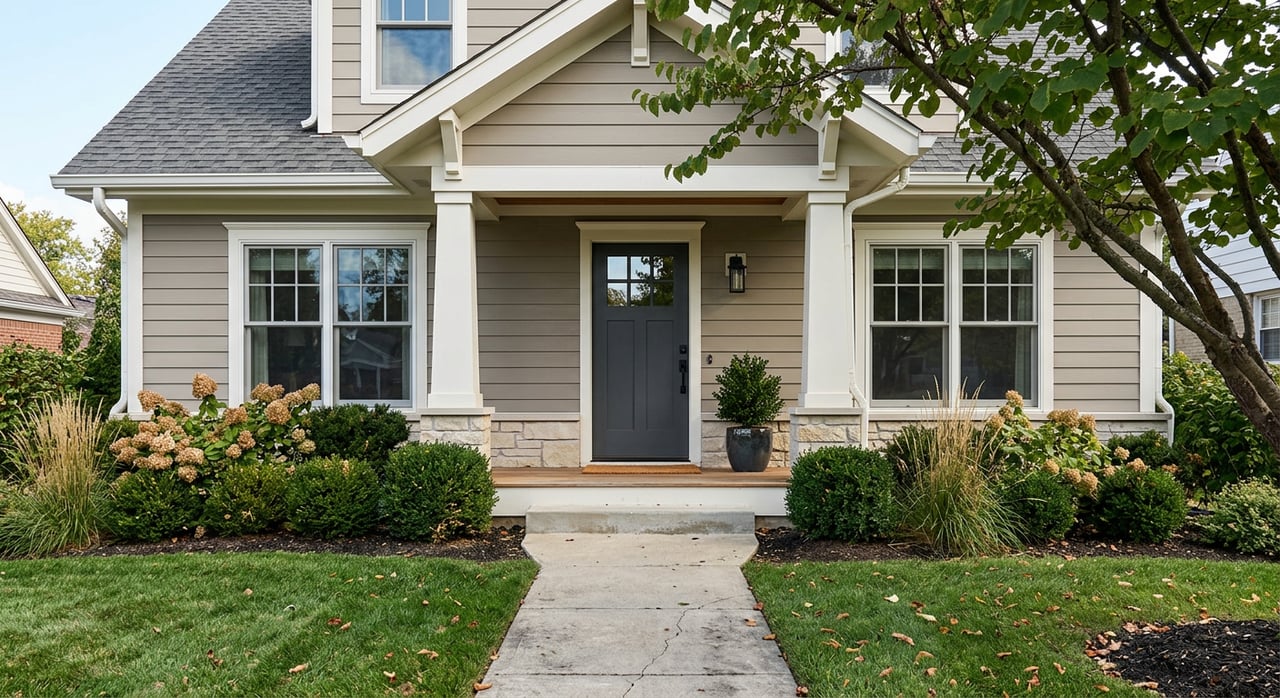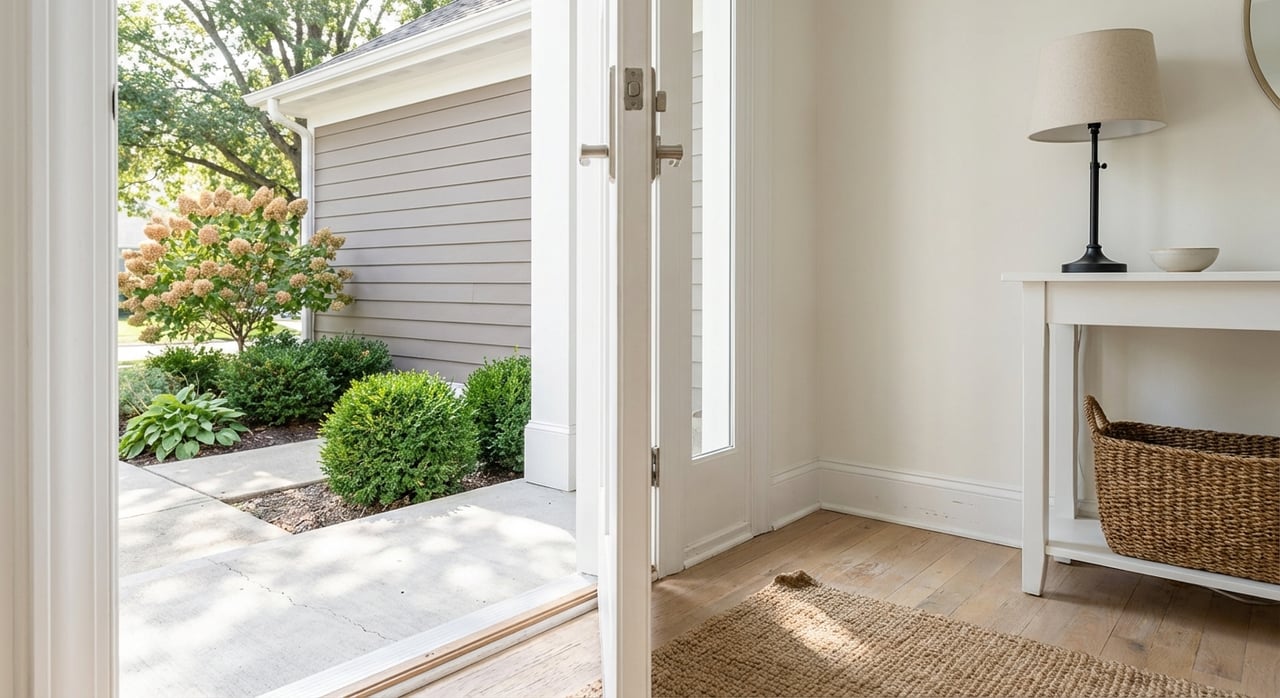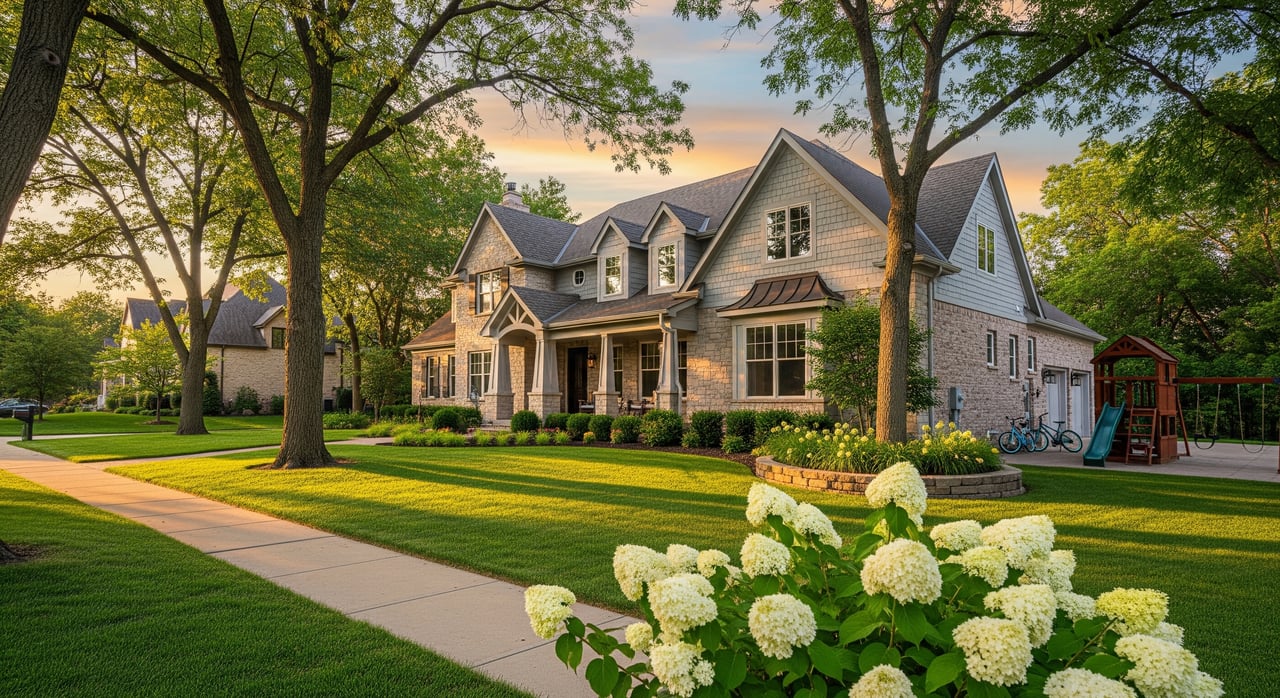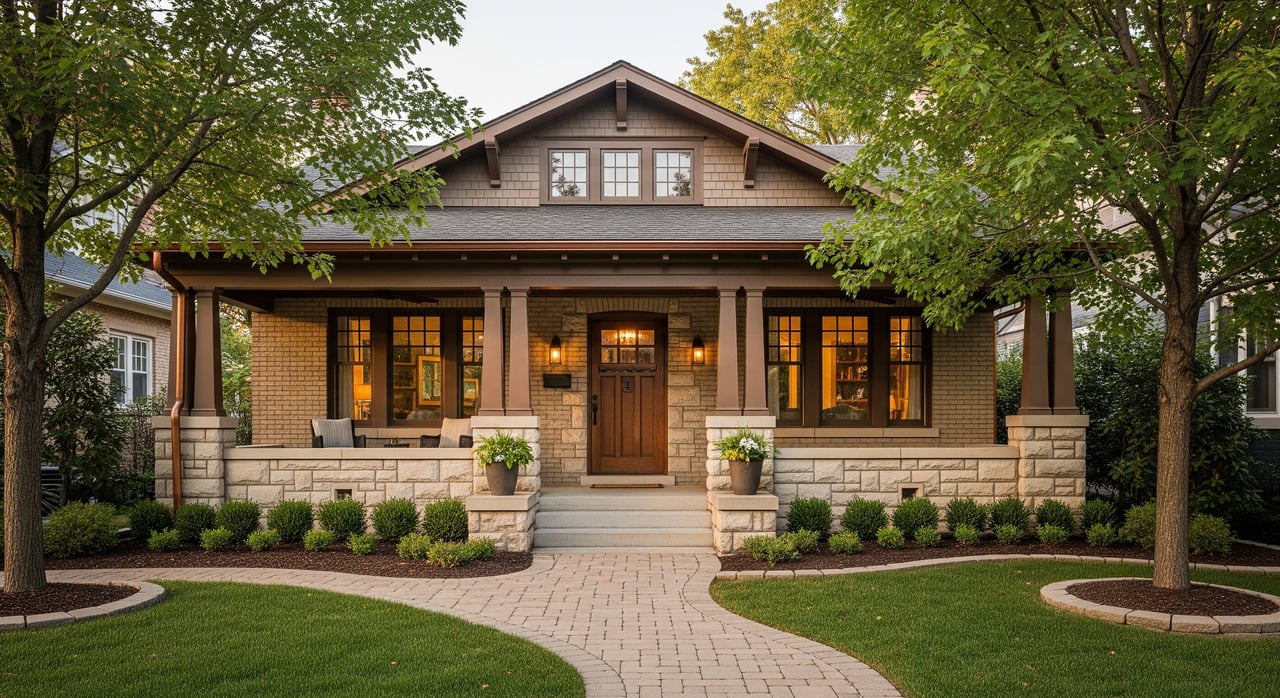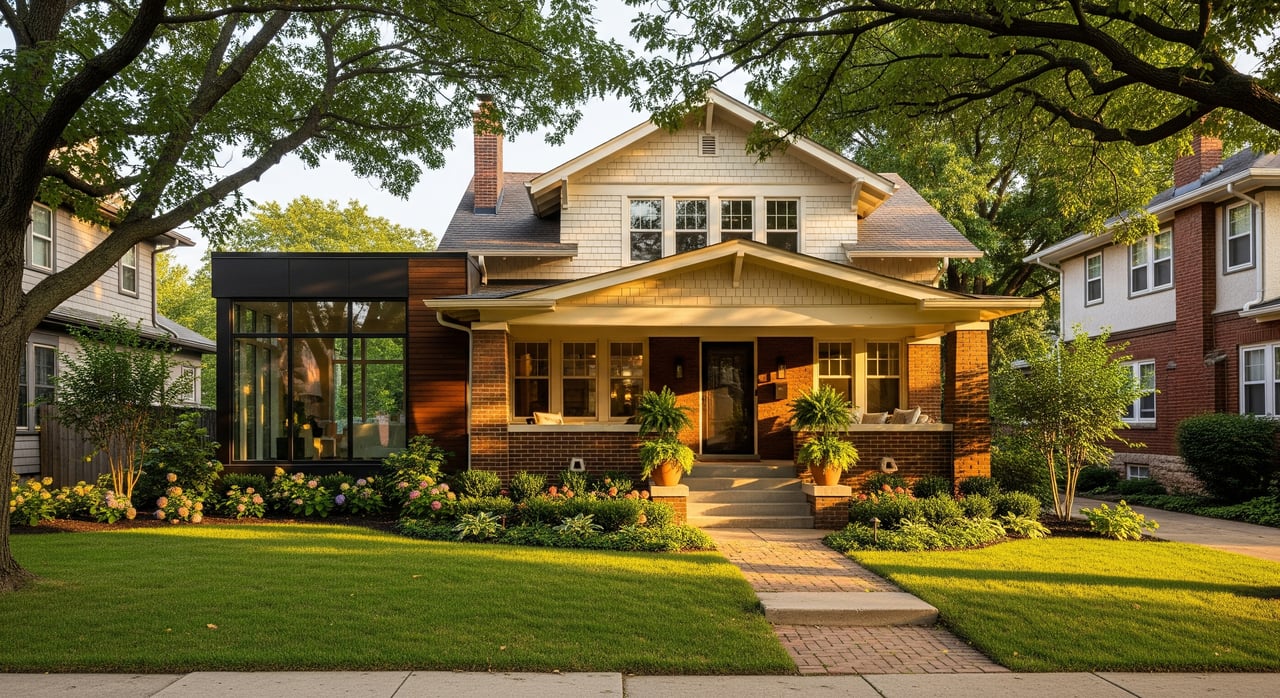
Love the tree-lined streets, Tudors, and bungalows of Brookside but unsure how to shop this historic market wisely? You are not alone. Brookside’s charm comes with older construction, variable pricing, and a unique location along the Kansas–Missouri state line. In this guide, you will learn what styles you will see, how value is set, the inspections that matter most, negotiation tips, and nearby alternatives if you need a different fit. Let’s dive in.
Brookside overview
Brookside is a historic Kansas City neighborhood with homes largely built between 1900 and 1940. That means many properties are 80 to 120 years old, with original framing and period details. You will see mature trees, modest lot sizes, and close setbacks that create a walkable, neighborhood feel.
One important note: Brookside sits along the state line and is primarily in Jackson County, Missouri. Municipal services, property taxes, school districts, and permitting vary by city and county. Always verify the legal municipality and county parcel for any specific listing so you understand taxes, jurisdiction, and renovation rules.
Parts of Brookside may fall under neighborhood conservation or historic guidelines. Designation can affect exterior changes and permitting, while sometimes offering tax incentives or guidance for appropriate renovations. If you plan updates, confirm overlay status and process with local planning and preservation offices.
Home styles you will see
You will find a rich mix of early 20th-century architecture. Here is what to expect and what it means for you.
Craftsman and bungalows
These are common, often 1 to 1.5 stories with wood framing, exposed eaves, and original built-ins. Footprints are modest, and many have charming millwork and nooks that buyers love. You may see updates to kitchens and baths, but systems can vary from original to fully modernized.
Tudor Revival
Tudors feature steeply pitched roofs, brick or half-timber facades, and sometimes larger floor plans with multiple levels. Many are architecturally significant and sought after for curb appeal. Roof design and exterior materials can mean higher maintenance costs if original finishes remain.
American Foursquare and Colonial influences
These homes offer boxier two-story plans, larger rooms, and higher ceilings. You may get more usable square footage than a small bungalow, often with classic formal layouts. Updates can range from partial remodels to complete overhauls.
Later infill and additions
You will also see occasional newer builds, major additions, or full remodels on subdivided lots. These properties can reduce maintenance concerns but may come at a premium, especially near shops and parks.
What drives value in Brookside
Value is set by more than square footage. Expect listing prices and offer strength to reflect a mix of features.
- Size, bedroom and bathroom count
- Condition and level of renovation for kitchens, baths, and major systems
- Architectural style and presence of period details like built-ins and millwork
- Lot size and usable outdoor space
- Proximity to retail corridors, parks, and transit routes
- School district boundaries and property tax rates across the state line
- Historic designation and any related restrictions
Price bands to expect
Instead of fixed dollar ranges, think in tiers, since numbers shift with the market:
- Entry-level: Smaller bungalows or cottages that need moderate to major updates to systems, kitchens, and baths. Popular with investors and hands-on buyers.
- Mid-market: Partially or fully updated bungalows and Tudors with modern kitchens or baths and improved systems. This is often where move-in-ready demand is strongest.
- Upper tier: Larger, fully renovated historic homes, standout Tudors, and properties with bigger yards, major additions, or newer construction.
To get current medians, inventory, and days on market, pull the latest figures from local MLS data or recent regional market reports. Cross-check any quick-look neighborhood medians with official sold records to confirm accuracy.
What to expect with older homes
Historic charm often means older systems. Go in with open eyes and a smart plan.
Electrical
Older homes can have ungrounded two-prong outlets, cloth-insulated wiring, or legacy wiring. Knob-and-tube is possible in very early construction. Confirm service size, since many older houses have 100-amp service and modern needs often prefer 200 amps.
Plumbing
You may find galvanized steel supply lines or cast-iron waste lines that corrode over time. Lead service lines are less common but can exist in very old construction. Some mid-century retrofits may include materials that need evaluation. A sewer scope is wise in older city neighborhoods.
Heating and cooling
Look for older furnaces or retrofitted central AC. In unrestored homes, HVAC units may be near or past typical replacement windows. Original radiators still appear in some houses and can be effective but require service awareness.
Foundations and moisture
Basements and crawlspaces are common. The region’s clay soils and seasonal moisture can cause movement, water intrusion, efflorescence, or settling cracks. Drainage and grading matter, and older retaining walls may need attention.
Roofing and exterior
Roofing may be older, and some historic materials like slate or wood shingles require specialized expertise. Steep Tudor roofs and complex details add inspection points.
Hazardous materials
Homes built before 1978 can have lead-based paint. Older floor tiles, insulation, or duct mastic may contain asbestos. Follow EPA Renovation, Repair, and Painting rules if you plan to disturb painted surfaces during renovation.
Insulation and energy
Walls in older houses may lack modern insulation. Single-pane windows are common, which can drive heating and cooling costs. This is a prime area for future upgrades.
Your inspection plan
- Schedule a full home inspection with an experienced, licensed inspector familiar with older KC homes.
- Add a sewer scope to evaluate older laterals and materials.
- Test for radon, which is recommended regionally.
- If remodeling, consider lead paint and asbestos testing before work begins.
- Bring in specialists where needed, such as a structural engineer for foundations or a licensed electrician for legacy wiring. Get contractor estimates early to guide repair requests or credits.
Contingency choices and risk
Waiving inspection protections can strengthen an offer, but it raises your risk for hidden defects. If you need to stay competitive while managing risk, consider a shortened inspection period, performing a pre-offer inspection with the seller’s consent, or using an information-only approach with clear limits.
Offer strategies that work
In a low-inventory historic area, preparation and clean terms help you move quickly without losing protection.
Financial readiness
- Get a full lender pre-approval with verified income and assets, not just pre-qualification.
- Prepare proof of funds for earnest money and closing costs.
- Work with local pros who know Brookside timelines and inspection patterns.
Offer structure
- Strong conventional offer: competitive price, solid earnest money, and standard contingencies.
- Escalation clause: auto-increase your price to a cap if competing bids come in, while watching for appraisal limits.
- Appraisal planning: consider an appraisal gap guarantee up to a set amount if you are confident in the comps and the home’s condition. Rate buydowns or lender credits can help monthly affordability.
Negotiating older-home repairs
- Use inspection findings to request targeted repairs or seller credits, rather than full replacements on older yet functional items.
- Present repair scopes and contractor estimates to support requests.
- If historic guidelines may affect your plans, verify what has been permitted and negotiate time or allowances for approved modifications.
Non-price sweeteners
- Offer flexible closing dates to match the seller’s move.
- Consider a short rent-back with clear terms if the seller needs extra time post-closing.
- Keep your contract concise while preserving essential protections.
Jurisdiction checks and taxes
Because Brookside sits along the state line, taxes, school districts, and permitting can change from one block to the next. Verify the property’s legal city and county so you know which assessor and recorder apply and which rules you will follow for projects. If a home is in a historic overlay, get clarity on exterior changes and permit timelines before you plan a major renovation.
Property tax differences between Jackson County, Missouri, and Johnson County, Kansas, can influence monthly costs. School district boundaries also vary. Ask your agent to confirm parcel specifics and factor these into your budget and offer strategy.
When to consider alternatives
Sometimes Brookside is not the right fit, and that is okay. Here is when you might look nearby:
- Price ceiling: your budget does not align with Brookside’s most competitive inventory.
- More space: you want larger yards or newer construction for lower maintenance.
- Single-level living: you prefer an open plan or main-floor primary without heavy renovation.
- Different tax or district profile: you want a different mix of property taxes and school systems.
Nearby options to explore
- Kansas City neighborhoods with similar character, sometimes at different price points: Waldo, Armour Hills, Crestwood, and areas near the Plaza.
- Kansas-side inner-ring cities for buyers prioritizing Johnson County locations: parts of Mission and Roeland Park, each with its own housing styles and dynamics.
- Newer suburban options for more square footage or larger yards: Overland Park and Leawood, with tradeoffs on walkability and transit access.
How to get current numbers
For live market context, review recent data before you write an offer.
- Pull the latest median sale price, inventory, and days on market from regional monthly reports or the local MLS.
- Cross-check quick neighborhood medians with official sold records to verify accuracy.
- Review county assessor pages to understand property tax implications across the state line.
- Look at local neighborhood association materials and city planning sites for history, events, and any conservation or historic overlays.
Your next step
If Brookside’s character speaks to you, align your wish list, budget, and inspection plan before you start touring. A smart approach protects you from surprise costs and keeps your offer competitive on the right home. With a neighborhood-first strategy, you can enjoy the charm you want while staying confident about condition, value drivers, and jurisdiction details.
You do not have to navigate this alone. If you want experienced buyer representation, clear guidance across the Kansas–Missouri line, and help coordinating inspections, timelines, and negotiations, reach out to Jodie Brethour. Let’s make your next move smooth and successful.
FAQs
Where exactly is Brookside located in the Kansas City area?
- Brookside is a historic neighborhood primarily in Jackson County, Missouri, along the state line next to Johnson County, Kansas; verify each property’s legal municipality and county.
What home styles are most common in Brookside?
- You will see many Craftsman bungalows, Tudor Revival homes, and American Foursquare or Colonial-influenced two-story houses, plus occasional newer infill or major additions.
How are prices set for Brookside homes?
- Prices reflect size, level of renovation, architecture and period details, lot usability, proximity to amenities, school district boundaries, property taxes, and any historic designations.
What inspections are most important for Brookside’s older houses?
- Plan for a full home inspection, sewer scope, radon test, and specialist reviews for electrical, plumbing, foundations, or hazardous materials if renovations are planned.
Do historic overlays affect Brookside renovations?
- Yes, parts of Brookside may have conservation or historic guidelines that shape exterior changes and permitting, so confirm overlay status and requirements before you remodel.
How can I write a competitive offer without losing protection?
- Use a full pre-approval, keep terms clean, consider a shortened inspection window instead of waiving, and plan for appraisal strategies like a defined gap only if justified by comps.
What nearby neighborhoods offer a similar feel if Brookside is not a match?
- Explore Waldo, Armour Hills, Crestwood, and Plaza-adjacent areas in Kansas City, plus Mission and Roeland Park on the Kansas side; for more space, consider Overland Park or Leawood.